


Professionalization of a Tennis Coach: From Hobbyist to High-Performance Leader
Kyle LaCroix
You can feel it the moment you walk on court with a great coach. The clarity. The presence. The expectation. There's no fluff, no guesswork. There's a plan, and more importantly — a purpose.
Yet for decades, tennis coaching has been one of the most undervalued and misunderstood professions in the world of sports. Too often, we've been relegated to hobbyist status: the charismatic instructor, the “tennis guy,” the fun feeder. While other sports built formal pipelines for education, certification, and professional development, tennis lagged into a fragmented, informal, and personality-driven career.
But that's changing. And not a moment too soon.
We're witnessing a long-overdue transformation: the professionalization of the tennis coach. Not just in title, but in mindset, methodology, and leadership. Today's tennis coach isn't a hobbyist with a basket of balls. Today's tennis coach is a high-performance leader. A strategist. A developer of people. A force multiplier inside a club, park, or academy ecosystem.
This article is a reflection and a rallying cry. A call to elevate the profession. A look at what happens when tennis coaches step fully into the power of their role — and bring structure, vision, and credibility to the court.
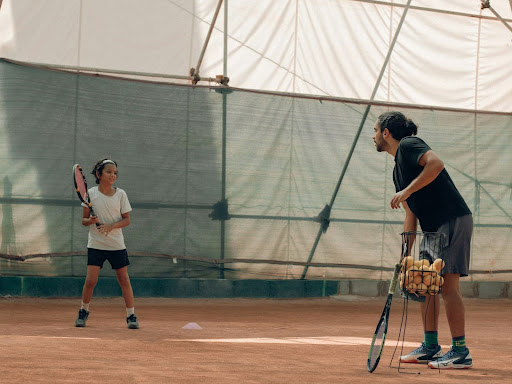
The Coaching Gap — And the Cost of Staying Small
While other sports (think football, basketball, baseball) have long embraced the coach as central to development, tennis has often treated coaches as accessories to talent — not architects of it.
Many coaches still operate without:
- Clear career pathways
- Standardized education models
- Mentorship opportunities
- Livable, scalable compensation structures
This has consequences:
- High turnover and burnout
- Inconsistent player development
- Parents questioning value
- Clubs struggling to retain coaching talent
Too many promising professionals leave the industry because there's no vision for growth. They love tennis, but can't see a future that supports a sustainable, rewarding career.
And that's not just a coach's problem. It's a player development crisis.
When we don't invest in coaches, we compromise the entire ecosystem.
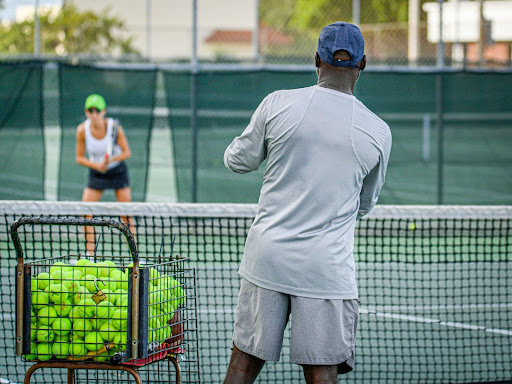
From Instructor to Leader — A New Model of Coaching
So what does the professional tennis coach look like today?
They are:
- Educated: Actively pursuing certifications, mentorship, and multi-disciplinary learning (e.g., sports science, psychology, communication).
- Strategic: Running structured sessions with clear objectives, player-specific goals, and measurable outcomes.
- Relational: Building trust with parents, staff, and club leadership. Knowing how to navigate the emotional, social, and aspirational dimensions of sport.
- Entrepreneurial: Understanding business, branding, time management, and client engagement.
- Reflective: Engaging in self-coaching, emotional regulation, and feedback loops.
Today's coaches are no longer just instructors. They are directors of development — whether they work with 8-year-olds, adults, or high-performance juniors.
Real-World Case Studies — Coaching as a Profession Case 1: Brock Orlowski, Fort Wayne Country ClubBrock began as a typical tennis pro — on-court, overbooked, and underleveraged. But through intentional mentorship and a commitment to professional development, he transformed.
He was able to:
- Complete multiple certifications (platform tennis, padel, adaptive tennis)
- Create seasonal programming calendars for all age groups
- Take on mentorship roles for younger coaches
- Build a leadership presence beyond his club through writing and speaking
Today, Brock is more than a Director of Racquets. He's a developer of his staff, a strategic planner, and a culture-builder. His value far exceeds his hitting ability — because he's become a system, not a supplement.
Case 2: A Mentorship Circle of CoachesIn communities of practice across the country, coaches are banding together — supporting each other, challenging each other, and building toward something bigger than the next lesson.
These coaches go from:
- Reactive to proactive
- Session-to-session thinking to seasonal and yearly planning
- Working in the program to working on the program
- Valuing hustle to valuing leadership and leverage
The best coaches aren't grinding harder. They're designing smarter systems, shaping deeper relationships, and becoming irreplaceable assets to their organizations.
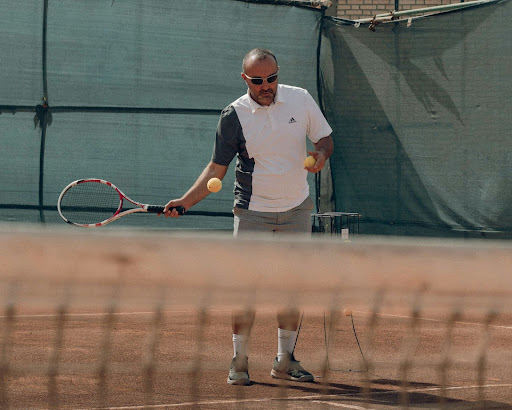
Reimagining the Coaching Pathway
What if we treated tennis coaching as the career it truly is?
That means:
- Creating structured mentorship at the club and national level
- Funding continuing education — from technical certifications to soft skill training
- Recognizing coaching excellence through transparent benchmarks and development tracks
- Building communities of practice, not silos of survival
In every other profession, we see it: training, progression, reflection, community. Tennis coaching deserves the same high standards.
From Amateur Hour to Industry StandardImagine a world where tennis coaches are viewed with the same respect as athletic directors, strength coaches, or educators. Where they are compensated for their leadership, not just their hours. Where career pathways are clear. Where ongoing education is expected — and accessible.
We must move from:
- Transactional lessons → Transformational programming
- Hourly pay → Value-based structures
- Independent silos → Collaborative ecosystems
The next generation of tennis coaches won't just teach strokes. They'll build systems. Shape culture. Lead people.
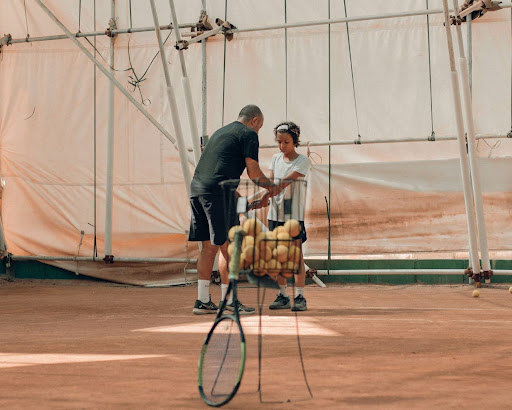
The Impact on Players, Clubs, and the Industry
When coaches thrive, so does everyone around them:
- Players receive development that is consistent, intentional, and relational
- Clubs experience higher retention, stronger cultures, and long-term program growth
- Parents gain trust in a system, not just a personality
- The industry expands its credibility and draws top-tier talent
This is the slow work of transformation. And it starts with the coach.
A Career Worth BuildingThe era of the "tennis pro as a hobbyist" is over. We owe it to the players we serve — and to ourselves — to step into the next chapter.
It's a chapter where coaches don't just survive — they thrive. Where we honor the depth, complexity, and leadership required to coach well. Where being a tennis coach is no longer "just a job" — it's a calling, a craft, and a career worth building.
There is dignity in this work. And there is momentum — if we claim it.
Let's build with intention. Let's professionalize with purpose.